How Plumbers Find a Slab Leak Under Concrete
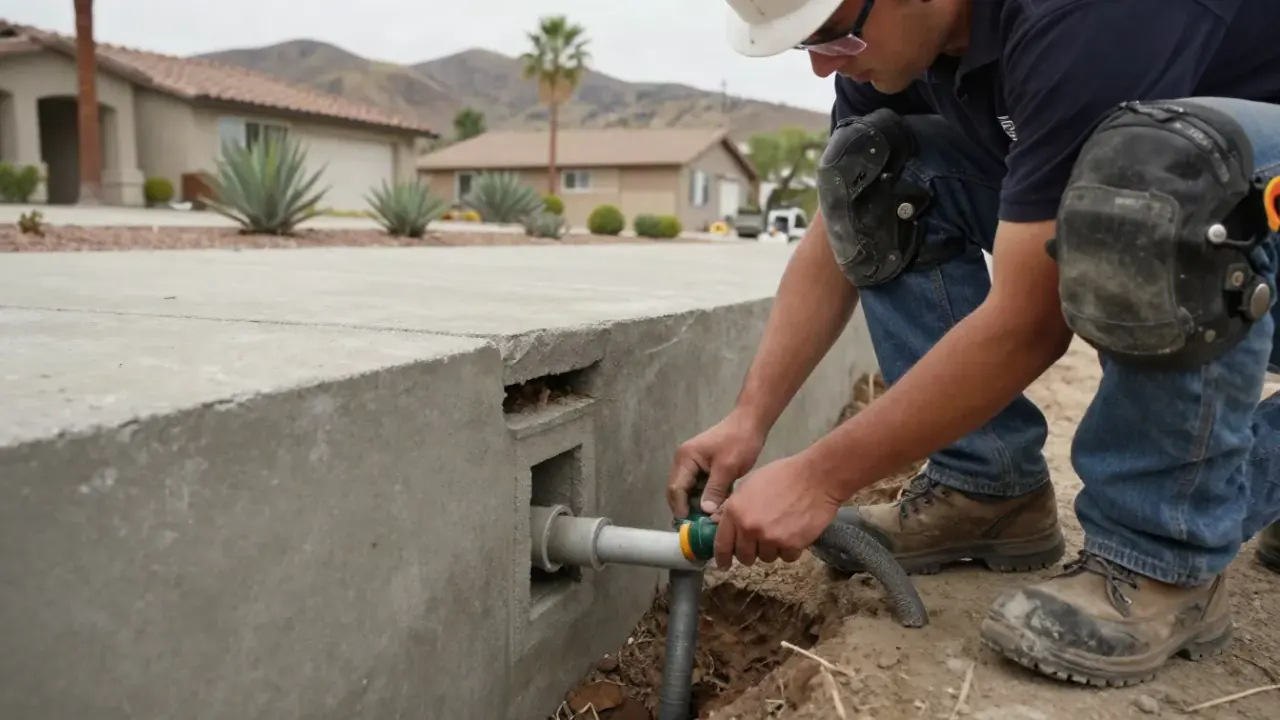
Plumbers locate a slab leak under concrete with listening gear, thermal cameras, pressure tests and pipe video. Here is the step-by-step process.
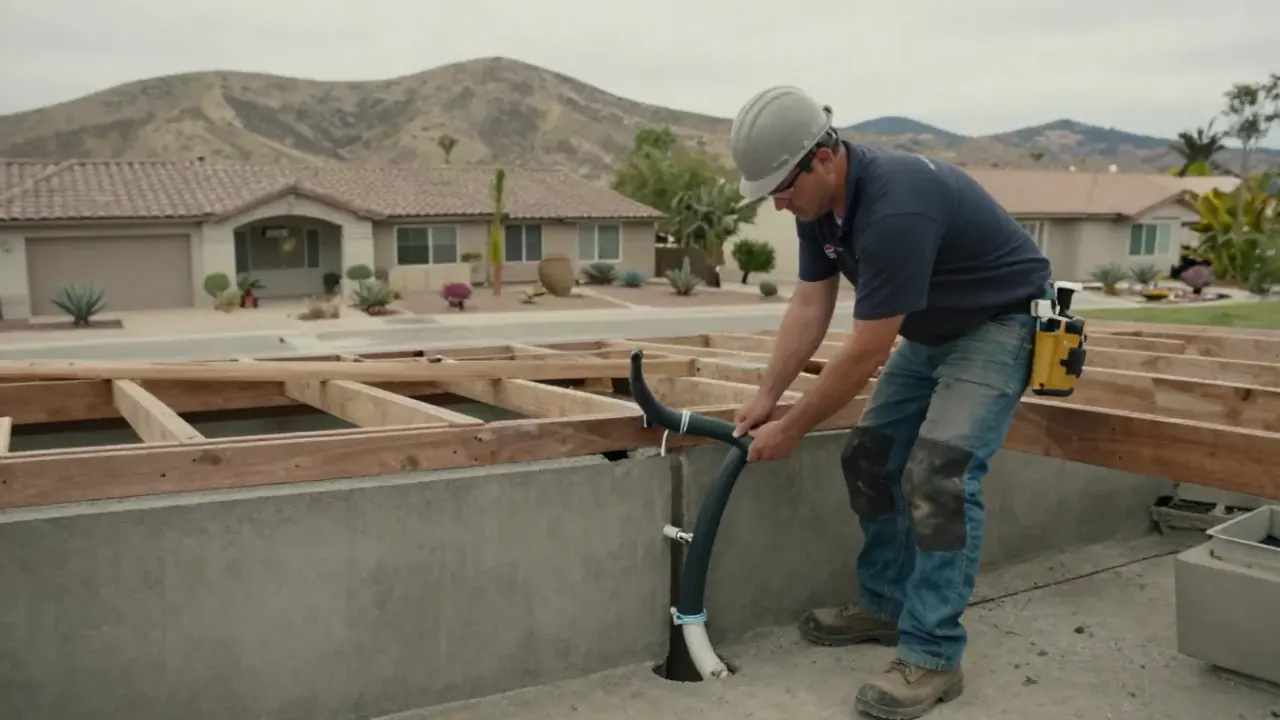
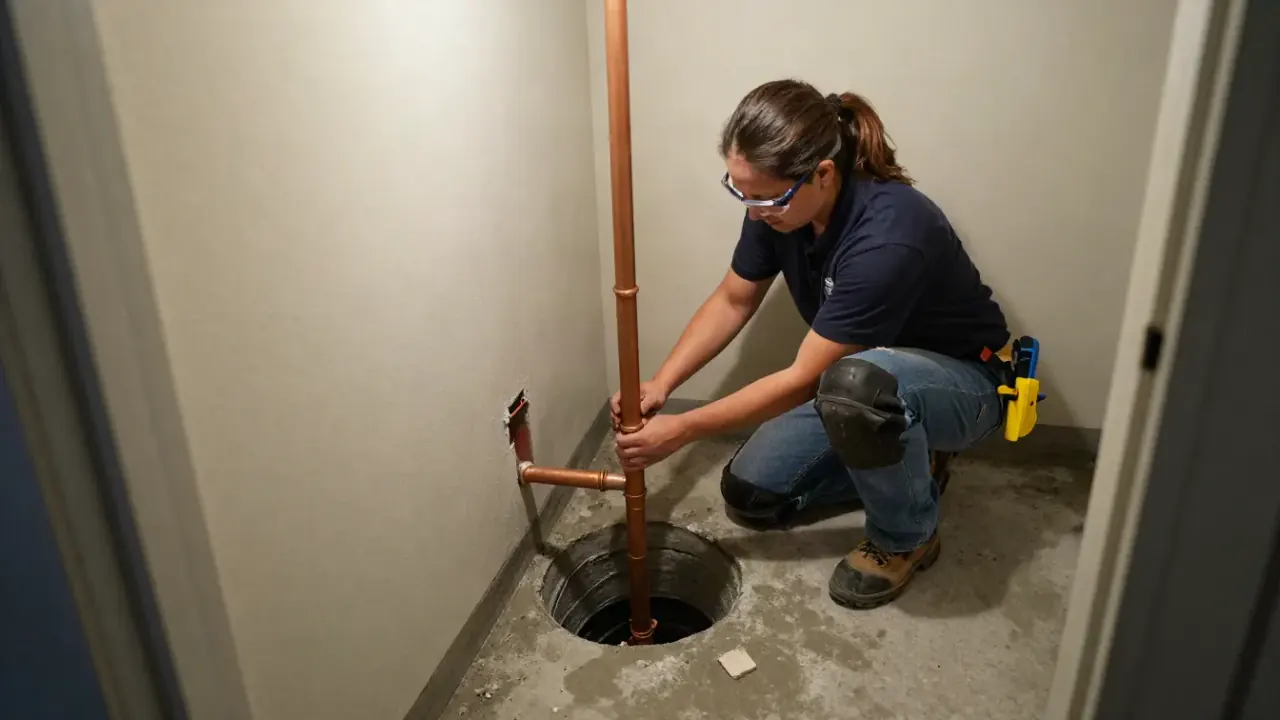
Plumbers find a slab leak under concrete by combining four tools: acoustic listening, thermal or infrared imaging, pressure testing, and video pipe inspection. No single tool is perfect, so a careful plumber layers them until the evidence agrees on one spot.
The goal is to mark the leak within a small area before any concrete is touched. In Tustin, that precision is the difference between a repair that takes a small opening in the floor and one that tears up half a room. Here is how the process unfolds, step by step.
What is slab leak detection?
Slab leak detection is the process of locating a water line leak under a concrete foundation without breaking into the floor first. It relies on instruments that sense sound, heat, and pressure, rather than on guesswork.
The reason it matters is simple. A concrete slab hides the pipe completely, so a plumber who guesses may open the wrong spot. Each wrong cut costs time, adds mess, and increases the final bill.
Detection usually takes place in a single visit. The house stays intact, and the plumber works from the surface using portable equipment, supplemented by a few simple tests that homeowners can also run themselves.
Step 1: Confirming a leak exists
A plumber confirms that a leak exists by shutting off every water use and watching the meter. If the meter keeps moving, water is escaping somewhere on the property.
The test mirrors what homeowners can do at home: close all fixtures, wait 15 to 30 minutes, and compare readings. Plumbers add a second layer by closing the main shutoff at the house. If the meter stops, the leak is on the house side. If it keeps running, the problem is likely in the line between the meter and the home.
That second case is a different repair type altogether, handled as Water Service Line Leak Repair in Tustin. Ruling it in or out early prevents a wasted search under the floor.
The plumber will also ask about symptoms: warm spots, higher bills, low pressure, or sounds of running water. These details help narrow where to start.
Step 2: Which line is leaking?
Pressure testing identifies which line under the slab is leaking by isolating each pipe and watching for pressure loss. This is how a plumber separates hot lines from cold lines.
The process looks like this:
- The plumber caps or isolates one supply line at a time.
- Air or water pressure is applied to that line.
- A gauge shows whether the pressure holds or drops.
- The line that drops is the one with the leak.
Hot lines are common culprits, because heat adds wear. If the hot line is the problem, the repair belongs to Hot Water Line Leak Repair in Tustin. Knowing the line also tells the plumber which part of the house to focus on, since supply lines usually run in predictable paths from the water heater and main.
Orange County hard water can corrode copper pipe over time, so older copper lines tend to fail first. Once the line is isolated, pinpointing becomes much faster.
Step 3: Pinpointing the spot
Acoustic listening and thermal imaging pinpoint the exact spot of a slab leak. Both tools turn invisible evidence into a mark on the floor.
Acoustic listening
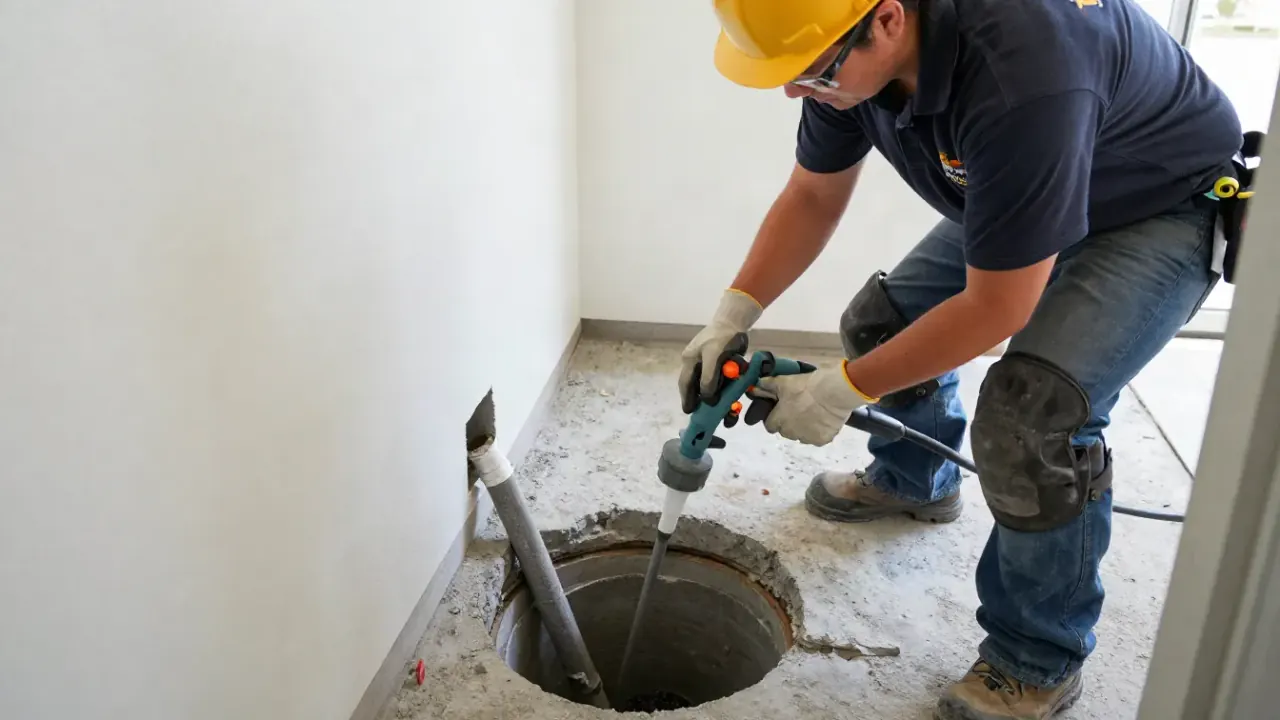
Acoustic listening uses sensitive ground microphones that pick up the hiss or rush of water escaping a pressurized pipe. The plumber slowly moves the sensor across the floor, listening for the loudest point. The sound travels through concrete better than most people expect, and the loudest spot is usually directly over the break.
Background noise matters. Appliances, traffic, and neighbors can interfere, so a quiet house helps. That is one reason homeowners are asked to turn off dishwashers, washing machines, and air handlers before the visit.
Thermal or infrared imaging
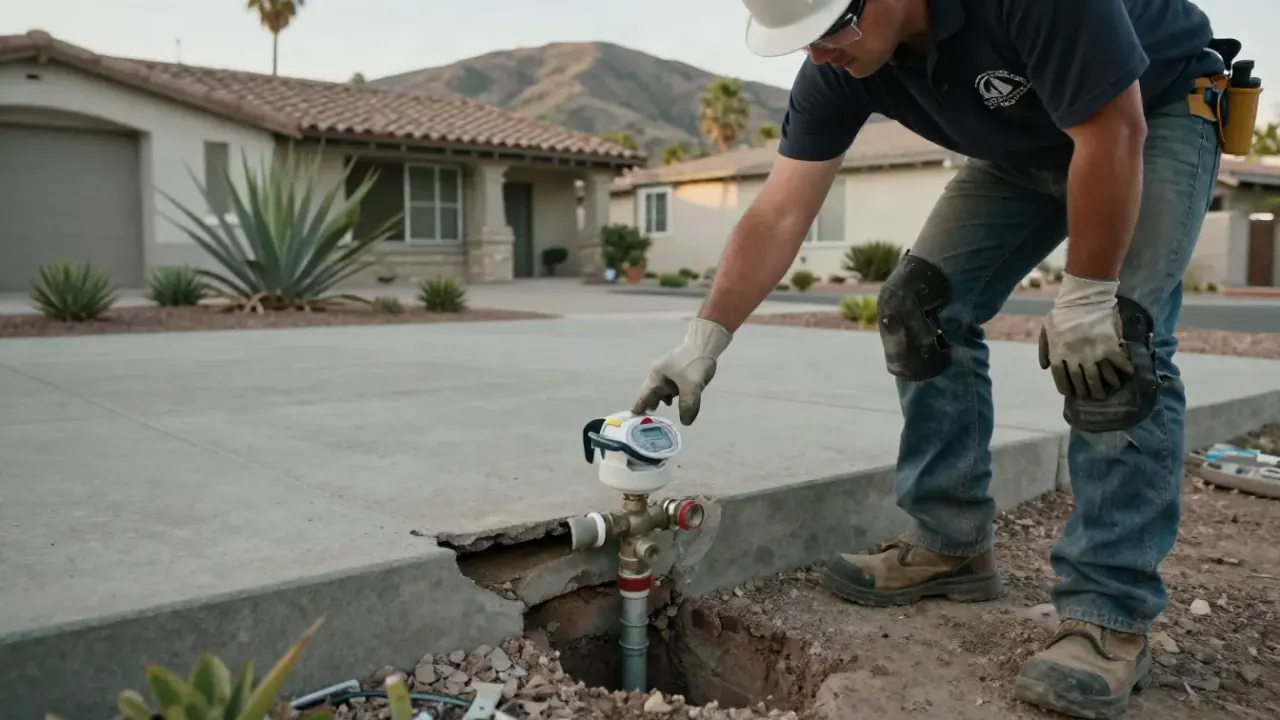
Thermal imaging uses an infrared camera to show temperature differences across the floor. A leaking hot water line warms the concrete above it, which appears as a glowing patch on the screen.
This tool is especially useful on hot water lines, because the temperature difference is clear. It is less helpful for cold lines, where acoustic listening and pressure tests carry more weight. A plumber who uses both and sees them agree can mark the leak with confidence.
In neighborhoods with varied construction eras, such as Old Town Tustin or Columbus Square, floor materials differ, and thermal readings can behave differently. Local pages like Slab Leak Repair in Columbus Square explain how construction type can influence the approach.
Step 4: Looking inside the pipe
Video pipe inspection looks inside an accessible pipe with a small waterproof camera to check its condition. It does not locate every leak, but it shows how much wear the line has.
This step matters for repair choices. A pipe with a single pinhole is a different problem from one with widespread corrosion. If the camera shows the whole line is thin and pitted, a spot repair may only delay the next failure.
Video inspection is usually done where the plumber can reach an access point, such as a cleanout or a fixture connection. It is not always possible for every line, so it works best as a complement to listening, thermal imaging, and pressure testing.
For copper lines that show corrosion or wear, repair work may fall under Copper Pipe Repair in Tustin, depending on what the plumber finds and which method fits.
What happens after the leak is located
After the leak is located, the plumber explains the findings and recommends a repair method. The detection result drives the plan: where the break is, how deep it sits, and what the pipe looks like.
The common options are:
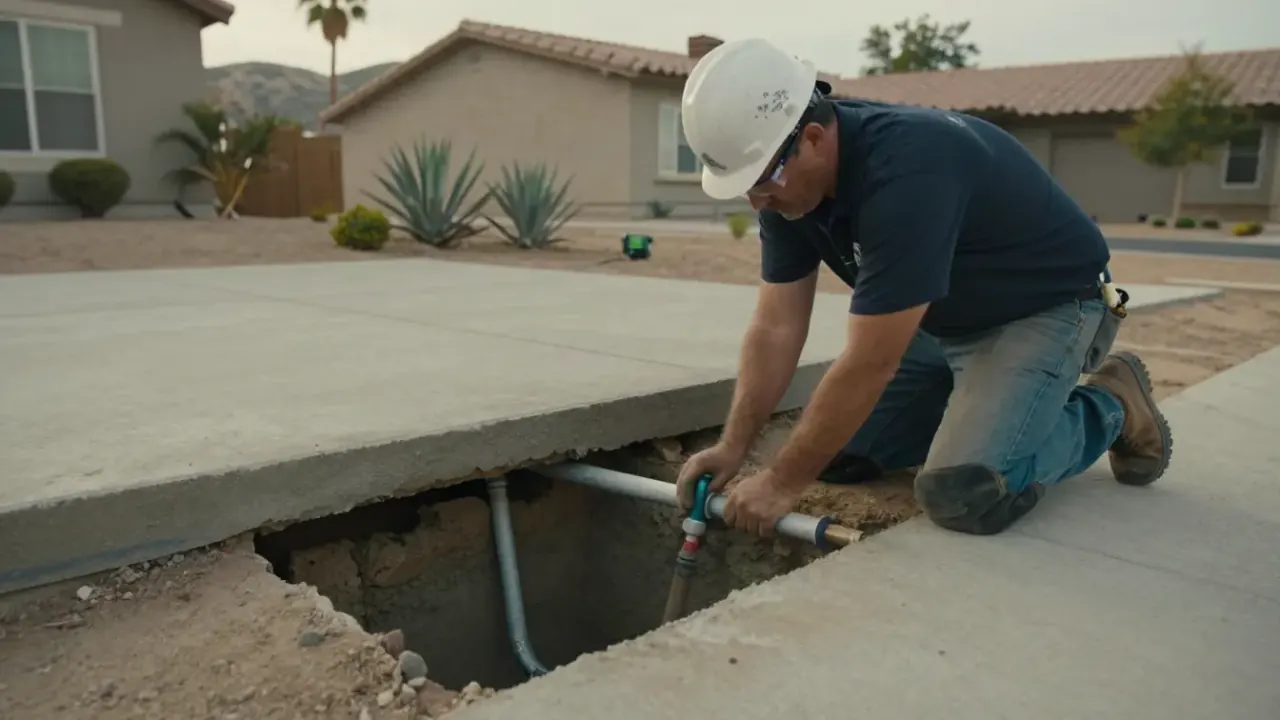
- Direct access: opening the slab directly over the leak
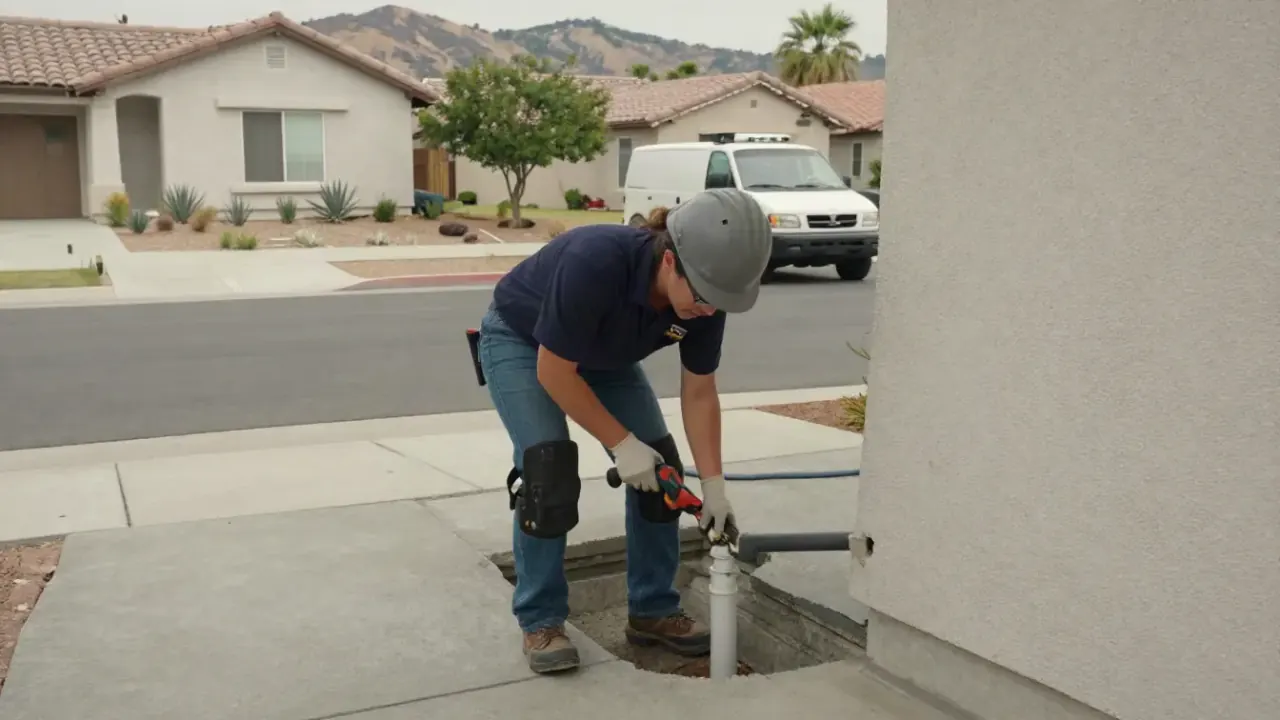
- Tunneling: reaching the pipe from outside the house, the least disruptive to flooring but labor-intensive
- Epoxy lining: sealing the inside of the pipe, the least invasive but dependent on pipe condition
- Rerouting: running new lines through walls or the attic, best for multiple leaks or aging pipes
Homes with post-tension cables in the slab need careful planning, since cutting into those cables is a serious concern. Plumbers who work on those homes follow specific precautions, which is why Post-Tension Slab Leak Repair in Tustin is its own category of work.
Common mistakes during slab leak detection
Mistakes during slab leak detection usually come from rushing or relying on a single tool. Here is what to watch out for.
- Using only one method. A listening device alone can be fooled by pipes carrying sound from elsewhere.
- Skipping the meter test. Without confirming a leak, a plumber may chase a dripping fixture instead.
- Cutting before locating. Breaking concrete on a hunch can create more damage.
- Ignoring the pipe condition. Fixing one spot without checking the rest can lead to another leak soon after.
- Running water during the test. A tap or appliance in use can mask the leak sound.
A good plumber also explains how sure the result is. If readings disagree, say so and run another test rather than marking a guess.
When to call a professional
You should call a professional when your meter moves with all water off, when a floor spot feels warm, or when you hear running water in a quiet house. These signs call for equipment that homeowners do not have.
Tustin Slab Leak Repair uses detection to find the leak before recommending a repair, so you know where the problem is and what your options look like. Homeowners across the county, including those who search for Slab Leak Repair in Costa Mesa in neighboring cities, face the same hidden-pipe challenge, and the process is the same.
Before the visit, quiet the house, write down your meter reading, and note where you have felt warmth or heard sounds. That information saves time.
Frequently Asked Questions
Can a plumber find a slab leak without breaking concrete?
Yes. Acoustic listening, thermal imaging, pressure testing, and video inspection work from the surface or from access points. Concrete is only opened after the leak has been located and a repair method is chosen.
How long does slab leak detection take?
Detection is often completed in one visit, but timing varies with house size, number of lines, and how clear the evidence is. Quiet conditions and a clean meter test make the process faster.
Which detection tool is the most accurate?
No single tool wins. Plumbers get the best results by combining acoustic listening, thermal imaging, and pressure testing, then confirming that the readings point to the same location.
Does thermal imaging work on cold water lines?
It works best on hot water lines, where the leak warms the slab. Cold line leaks rely more on acoustic listening and pressure testing, since the temperature difference is small.
Should I try to find the leak myself first?
You can run the meter test and note symptoms, which helps. Beyond that, the equipment and training matter, and opening the floor without a located leak can make the damage worse.
Get help with Slab Leak Repair in Tustin
If you suspect a leak under your floor, Tustin Slab Leak Repair can start with detection before any concrete is cut. Call to talk through what you are seeing.