Tunneling vs Rerouting vs Epoxy Lining: Which Slab Leak Fix Is Right?
Tunneling spares your floors, epoxy lining is least invasive, and rerouting suits aging pipes. See which slab leak fix fits your Tustin home.
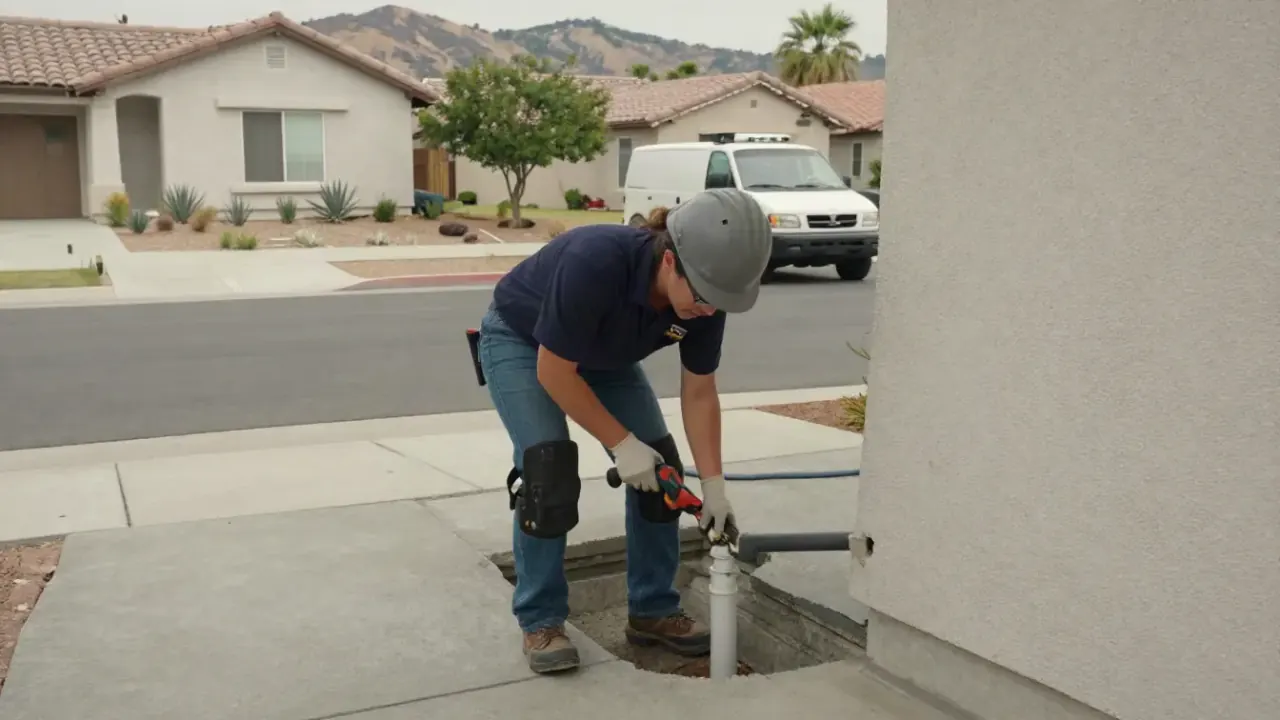
The right slab leak fix depends on your pipe condition and where the leak is. Epoxy lining is the least invasive and works when the pipe is in reasonable shape, tunneling is the least disruptive to flooring, and rerouting is best for multiple leaks or aging pipes.
None of the three is better in every case. A Tustin homeowner with a single pinhole in a healthy copper line has different needs than one whose pipes have failed three times. This comparison lays out how each method works, what it costs you in disruption, and when it makes sense.
Which slab leak fix is right for my home?
The right slab leak fix for your home is the method that matches the leak location, the pipe's condition, and how much disruption you can accept. Plumbers choose among direct access, tunneling, epoxy lining, and rerouting.
Direct access means breaking the slab over the leak, and it is the baseline the others try to improve on. The three alternatives in this guide avoid or reduce that demolition, each in a different way.
Three questions usually decide it:
- Is the pipe otherwise healthy, or is it aging and corroded?
- Is there one leak or several?
- Can the plumber reach the area from outside, through walls, or inside the pipe?
Detection comes first. Slab leak detection with acoustic listening, thermal imaging, pressure testing, and video pipe inspection gives the answers to those questions before a method is chosen.
How does tunneling work?
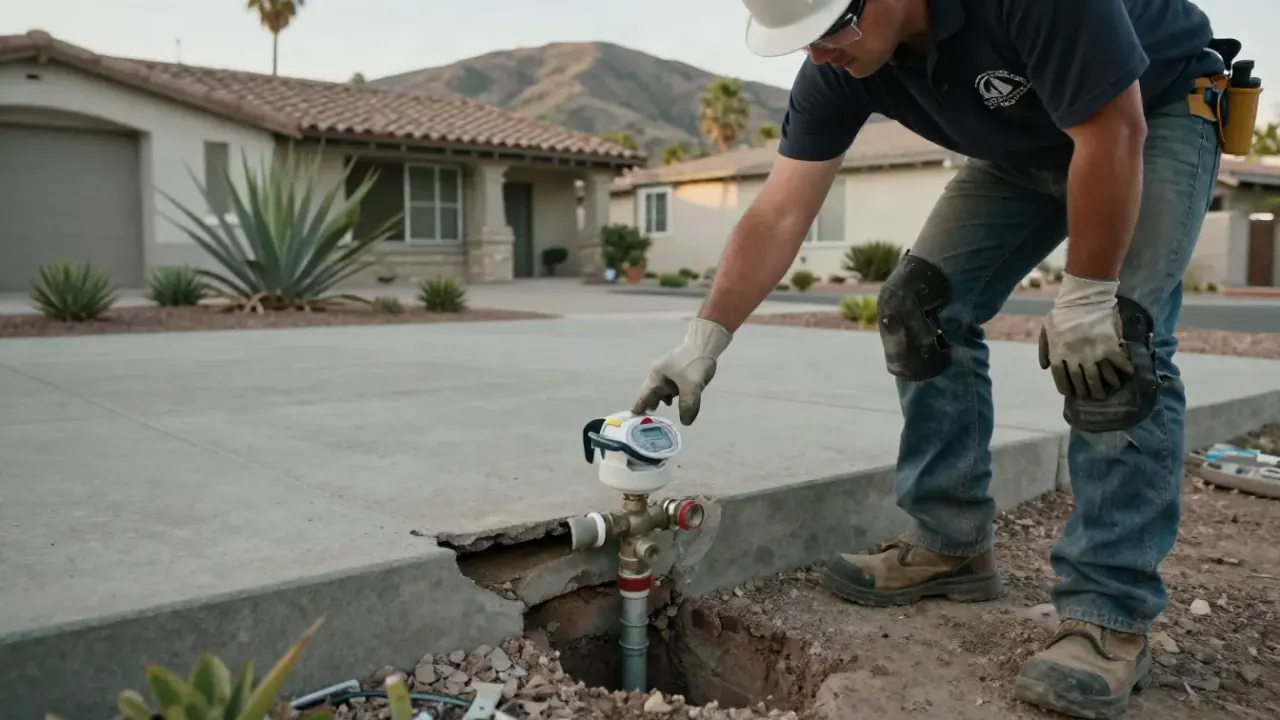
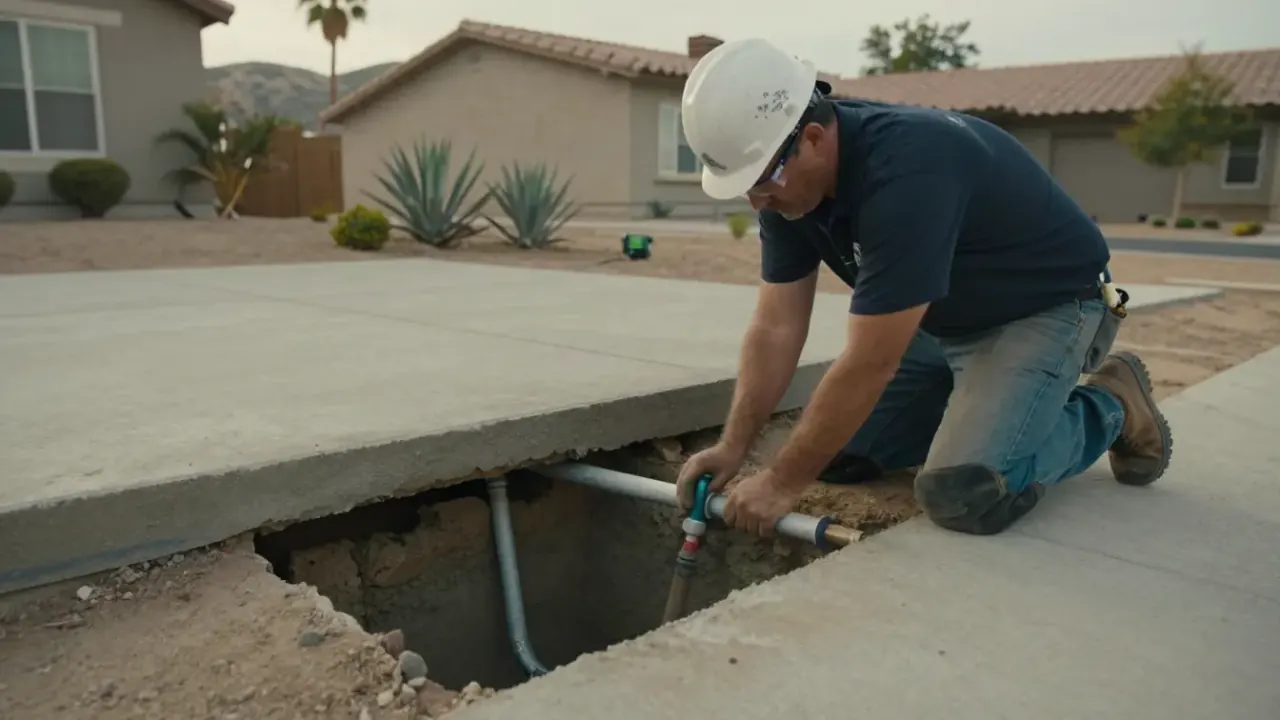
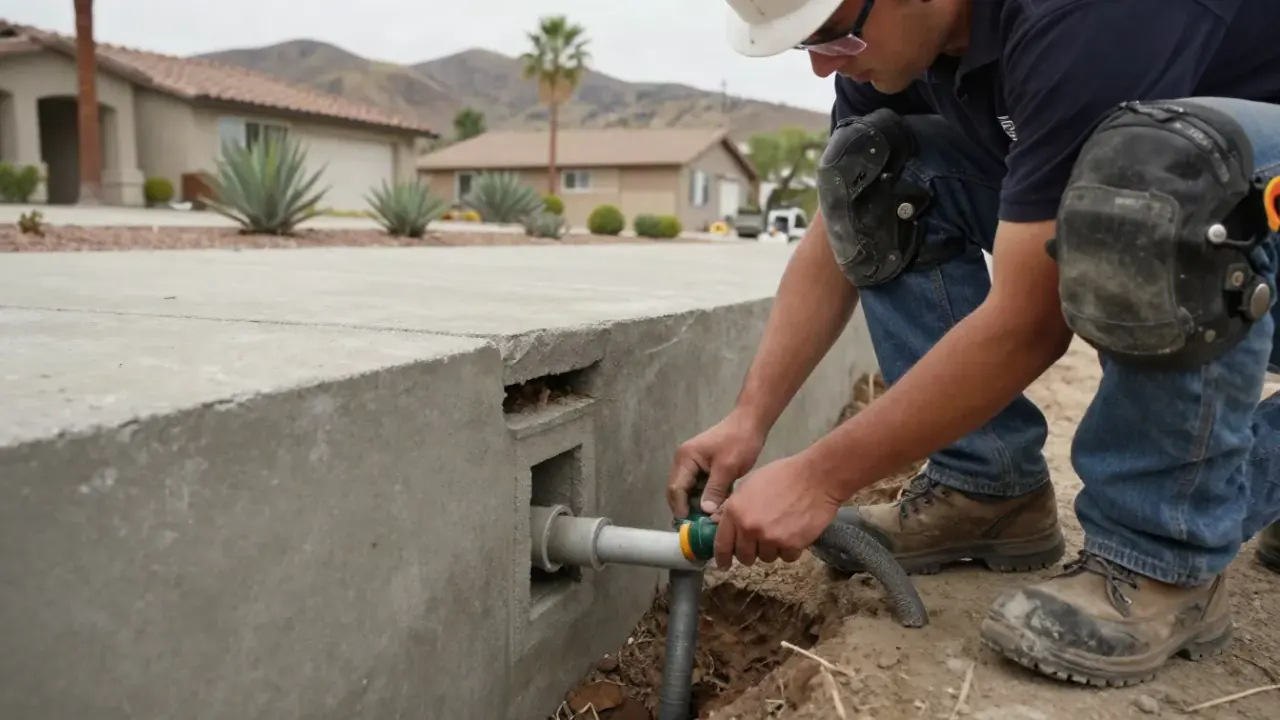
Tunneling works by digging a small tunnel under the foundation from outside the house, so the plumber reaches the leaking pipe without cutting through your floors. It is the least disruptive method for flooring.
That is a major advantage if you have tile, hardwood, or stone you do not want to lose. The tradeoffs are real, though. Tunneling is labor-intensive, and it may not work if the leak sits deep under the center of the house, far from any outside edge.
It also affects your yard or landscaping near the entry point. Plans for patio slabs, walkways, or planting beds near the foundation should be part of the conversation. If the leak is near the edge of the slab, tunneling often becomes a strong option. You can read about Slab Leak Tunneling in Tustin for a closer look at how it is done.
Best fit: a localized leak near an outer edge, in a home with floors you want to protect.
How does epoxy lining work?
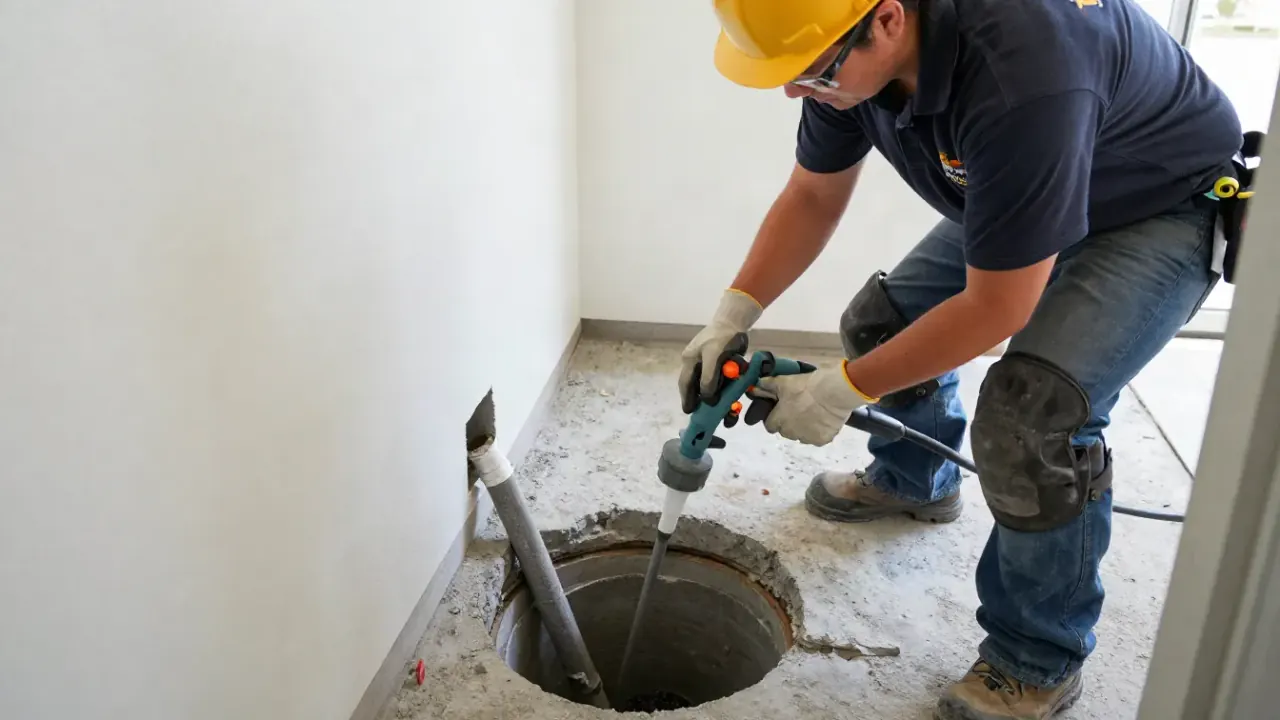
Epoxy lining works by coating the inside of an existing pipe with a resin that seals pinholes and thin spots. It is the least invasive method, because it uses small access points instead of opening floors or walls broadly.
The catch is pipe condition. Epoxy needs a pipe in reasonable shape to bond and hold. If the pipe is badly corroded, heavily pitted, or structurally weak, lining may not be the right answer.
Orange County hard water can corrode copper pipe over time, so video pipe inspection is an important step before choosing lining. The camera shows whether the walls of the pipe are sound enough to line. Homeowners who want to understand the process can read about Epoxy Pipe Lining in Tustin.
Best fit: early-stage pinhole leaks in otherwise healthy pipe, where preserving floors and walls is the priority.
How does rerouting work?
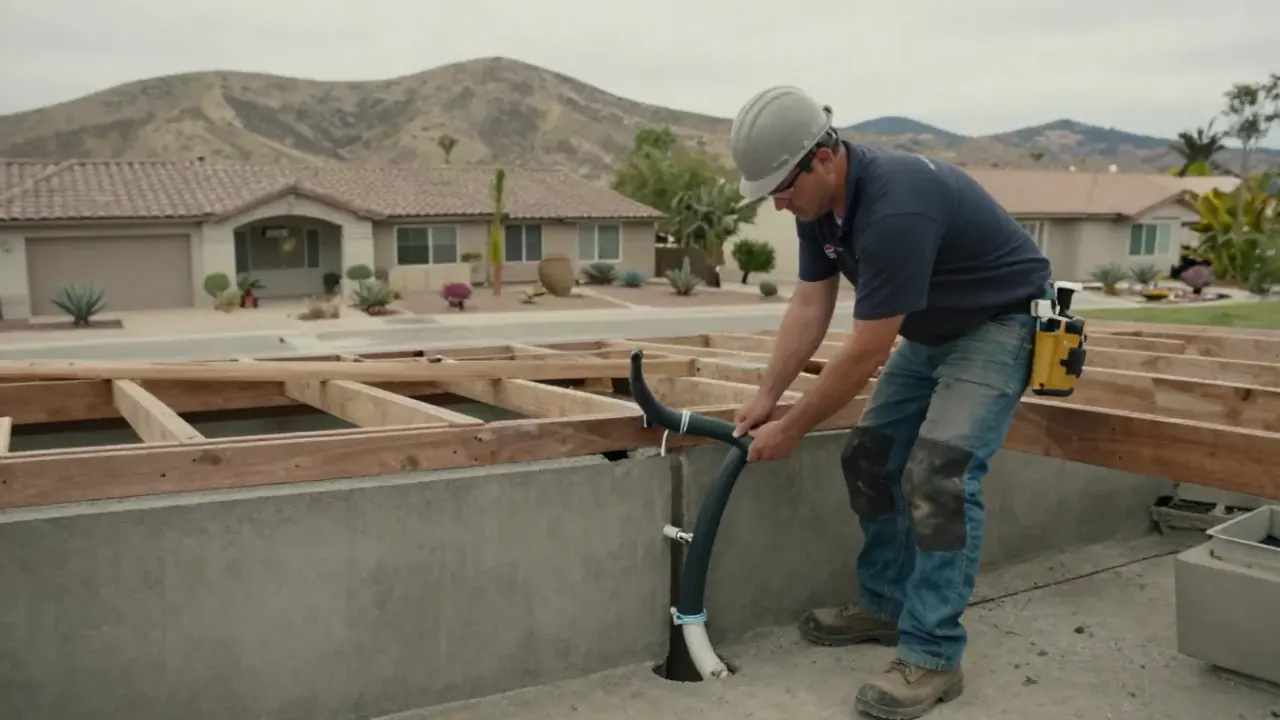
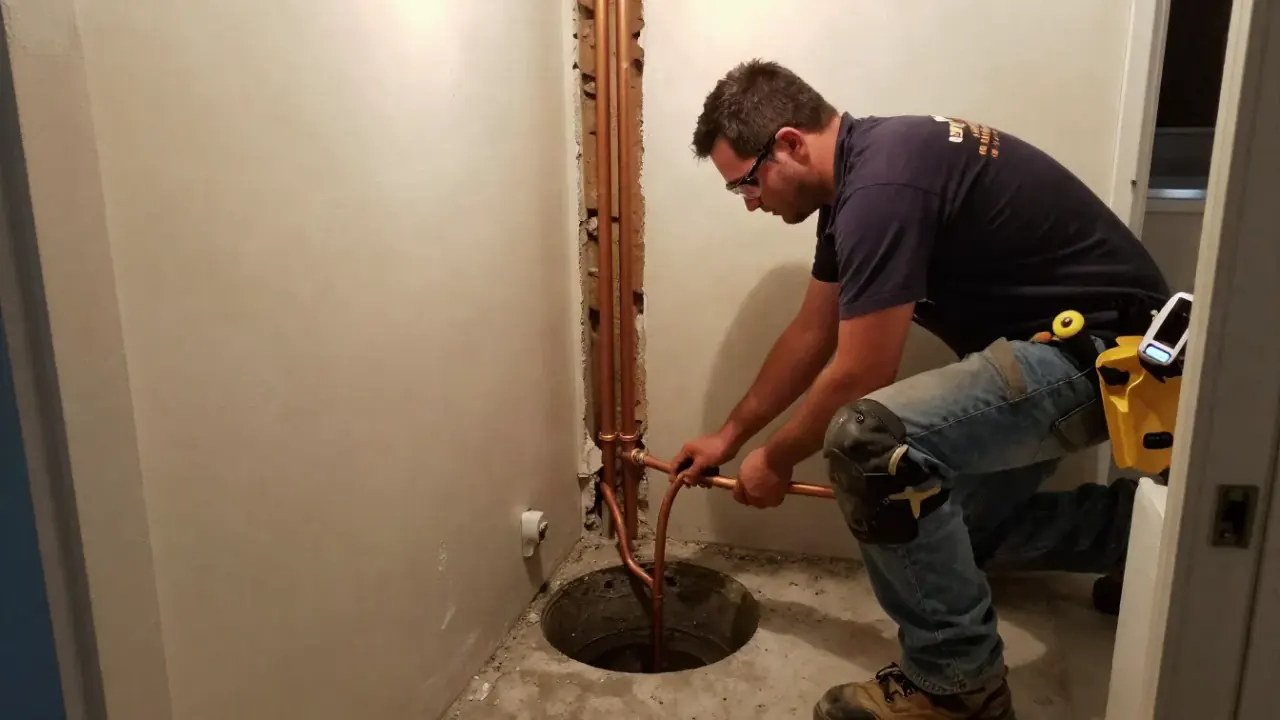
Rerouting works by abandoning the leaking line under the slab and installing new pipe through the walls or attic instead. It is often the best answer for multiple leaks or aging pipes.
The logic is straightforward. If a line has leaked once and the rest of it is corroded, patching one spot only buys time. A new route avoids the slab entirely, so future failures are far easier to reach.
Rerouting does involve drywall work, because walls are opened to run the pipe and then repaired. It typically means more disruption in the walls but less under the floor. Details are available under Pipe Rerouting in Tustin.
Best fit: homes with more than one leak, aging copper, or a line that has already been repaired once.
Side-by-side comparison
A side-by-side comparison shows how the three methods trade disruption for reach. Use this as a starting guide, not a quote.
- Tunneling: least disruptive to flooring; labor-intensive; may not reach a deep center-of-house leak.
- Epoxy lining: least invasive overall; needs pipe in reasonable condition.
- Rerouting: best for multiple leaks or aging pipes; requires some drywall work.
Cost varies by method and access. Typical slab leak repair runs roughly $630 to $4,400, and occasionally up to about $6,750 for severe or hard-access jobs, according to This Old House. Angi lists an average near $2,300. Your price depends on access, method, and location, so treat these as typical ranges, not promises.
Floors matter to the final number as well. A method that avoids breaking tile can save more on restoration than it costs in extra labor.
When repiping the whole house makes sense
Whole-house repiping makes sense when the pipes across the home are near the end of their life and leaks keep recurring. It replaces the supply system rather than fixing one section.
If a plumber finds corrosion throughout the lines, repairing one leak can feel like a short-term fix. In that case, a larger project may be more practical than repeated repairs. Homeowners considering that path can review Whole-House Repiping in Tustin.
This is not the first option for most homes. It is worth discussing only after detection and inspection show a pattern of widespread wear.
Common mistakes when choosing a repair method
Choosing a repair method goes wrong when homeowners decide on price or disruption alone. Watch out for these common errors.
- Picking the cheapest option without checking the pipe. Epoxy on a failing pipe may not hold.
- Choosing tunneling for a deep center-of-house leak. It may not reach.
- Ignoring the walls. Rerouting means drywall work, and you should plan for paint and repairs.
- Repairing one leak and ignoring the rest of the line. A second failure often follows on an aging pipe.
- Skipping insurance questions. Policies usually respond to sudden or accidental damage, while gradual wear and corrosion are commonly excluded. Call your insurer before repairs.
Ask your plumber to explain why the recommended method fits your home, and what the alternatives would look like. A good explanation covers pipe condition, access, and restoration.
When to call a professional
You should call a professional before choosing any method, because the right fix depends on findings you cannot see from the surface. Tustin Slab Leak Repair can run detection, inspect the pipe, and explain which option fits your home.
Local conditions play a role. Homes on the hillsides of Lemon Heights often have different access than those on flat lots, which can change whether tunneling is practical. You can read about Slab Leak Repair in Lemon Heights to see how local layout affects the plan. Similarly, in neighborhoods with tightly spaced homes, such as Peppertree, outside access can be limited, a point covered on the Slab Leak Repair in Peppertree page.
Bring photos of your floor plan if you have them, and note where you felt warmth or heard water. It helps the plumber assess access.
Frequently Asked Questions
Which slab leak repair method is least disruptive?
Tunneling is least disruptive to flooring, since it avoids cutting through the house. Epoxy lining is the least invasive overall. Rerouting involves wall and drywall work. The best fit depends on pipe condition and leak location.
Can epoxy lining fix any slab leak?
No. Epoxy lining needs pipe in reasonable shape. Heavily corroded or structurally weak pipe may not hold the coating, so video inspection should come before the decision.
Is rerouting better than tunneling?
It depends. Rerouting suits multiple leaks or aging pipes, while tunneling suits a single leak reachable from outside. Rerouting uses walls and attic; tunneling protects floors.
Will tunneling work if my leak is under the middle of the house?
It may not. Tunneling can struggle with a deep leak beneath the center of the house, since the plumber must tunnel a long way. Another method may fit better.
Do all three methods cost the same?
No. Typical slab leak repair runs roughly $630 to $4,400, up to about $6,750 for severe jobs. Method, access, and location all change the price.
Get help with Slab Leak Repair in Tustin
Not sure which fix suits your home? Tustin Slab Leak Repair can inspect the pipe and talk through your options.