How to Tell If You Have a Slab Leak
Run a simple water meter test, then check for warm floor spots, low pressure and a rising bill. Here is how Tustin homeowners confirm a slab leak.
You can tell you have a slab leak when your water meter keeps moving after every fixture in the house is off. Add one or more physical clues, such as a warm patch on the floor, a bill that jumped for no reason, or the sound of running water in a quiet house, and a leak under the concrete becomes very likely.
In Tustin, where many homes sit on concrete slabs with copper lines running underneath, the check takes about half an hour and costs nothing. This guide walks through the meter test first, then the signs you can see, hear and smell, and finally what a plumber does to confirm the diagnosis.
What is a slab leak?
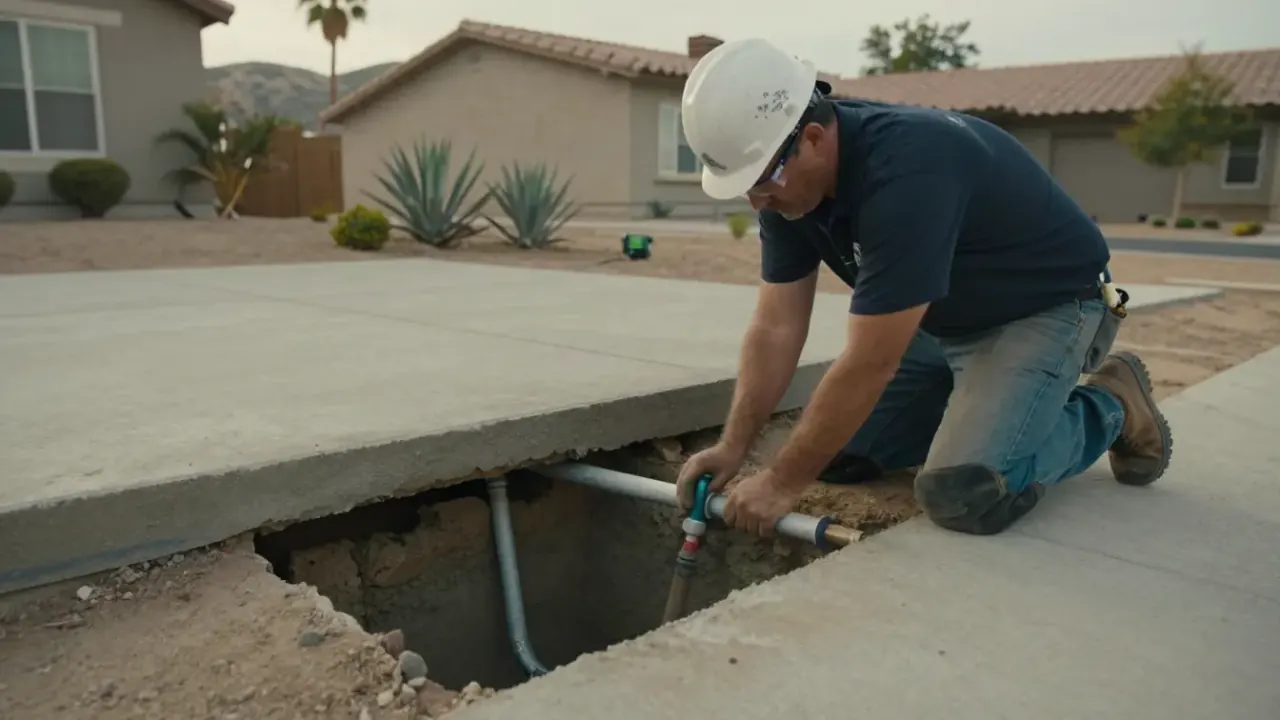
A slab leak is a leak in a water supply line that runs in or beneath the concrete foundation of a house, and it needs attention because the water has nowhere obvious to go.
Hot and cold supply pipes are often laid under the slab when a home is built. Over the years, those pipes can corrode, rub against gravel, or shift as the ground moves. Orange County hard water can also corrode copper pipe over time, which is one reason older copper lines are common suspects.
Because the pipe is buried, the leak can run for weeks before anything shows up on the surface. That is why a few simple tests matter more than waiting for a visible puddle.
How do you do the water meter test?
The water meter test works by shutting off every water use in the house and watching whether the meter still registers flow. If it does, water is escaping somewhere, and a slab leak is one of the usual suspects.
Here is the sequence to follow:
- Turn off every faucet, shower, and appliance that uses water, including the ice maker and the irrigation timer.
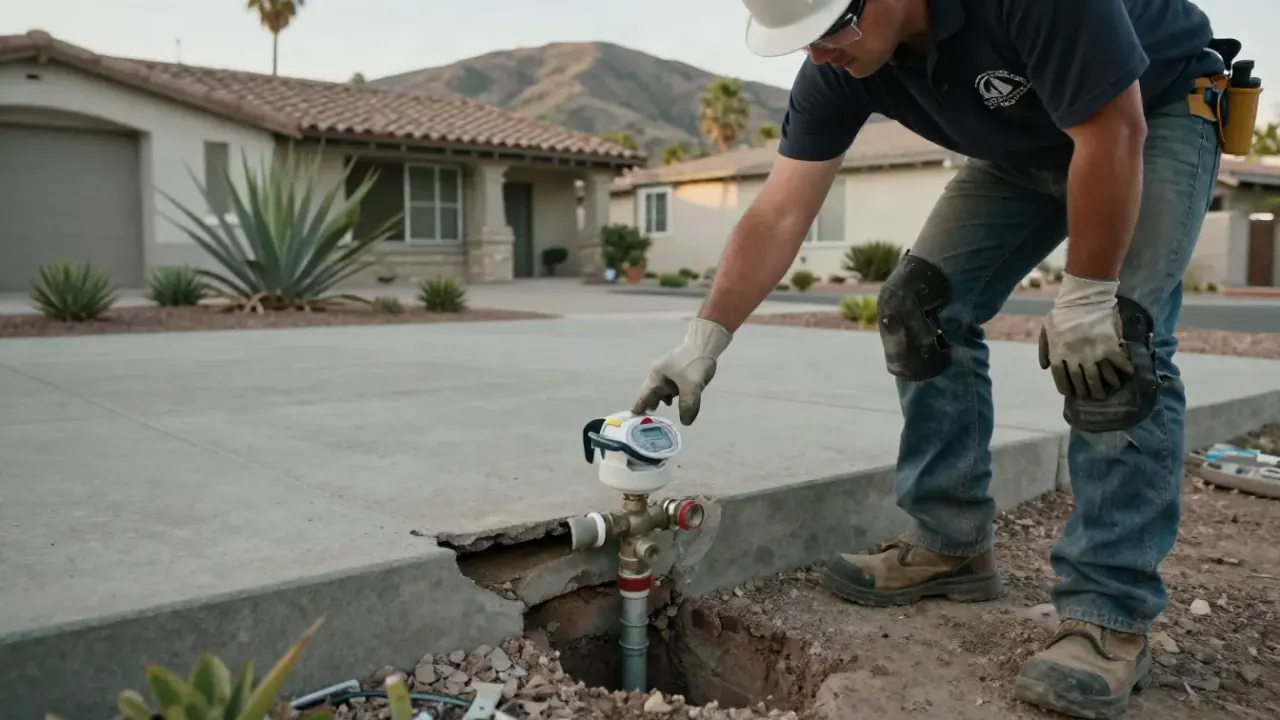
- Find the meter at the curb, usually under a metal or plastic lid, and lift the lid carefully.
- Look at the small leak indicator, often a triangle or dial that spins when even a trickle passes through. Note the reading on the main dial too.
- Wait 15 to 30 minutes without using any water, then check again.
If the indicator is still turning or the numbers have advanced, you have a leak on the property side of the meter. To narrow it down, close the main shutoff valve at the house and look again. If the meter stops, the leak is inside the house plumbing. If it keeps moving, the problem sits in the line between the meter and the house, which a plumber handles as Water Service Line Leak Repair in Tustin.
Clues you can see and feel inside the house
Slab leaks in Tustin homes show up on the floor first, usually as warmth, dampness, or movement in the flooring. Walk the house barefoot and pay attention.
Look for these signs:
- A warm or hot spot on tile, laminate, or hardwood that stays warm when the heater is off
- Damp or musty carpet that never fully dries
- Floor tiles that have lifted, cracked, or separated at the grout lines
- New cracks in walls or baseboards that pull away from the floor
- Water pooling at a door threshold or along one wall with no obvious source
Warm spots deserve special attention. Hot water lines cause a large share of slab leaks, because heat speeds up wear on the pipe. When a floor feels like a heating pad in one small area, the problem is often a pinhole in a hot line, which is the kind of work covered under Hot Water Line Leak Repair in Tustin.
Do not assume a damp patch is a spill or a sweating window. If the same spot returns after you dry it, treat it as a leak until proven otherwise.
Clues you can hear and smell
Sound and smell often confirm a slab leak before any stain appears. Turn off the TV, the dishwasher, and the air handler, then stand in the quietest room and listen.
A faint hiss, trickle, or rushing noise when no water is on means pressurized water is escaping. Press an ear against a baseboard or the floor near suspected spots. Pipes under a slab carry sound surprisingly well, and the noise is often loudest directly over the break.
A mildew or damp-earth smell in a closet, hallway, or bedroom is the other warning. Moisture trapped beneath flooring encourages mold, and the smell tends to appear before any dark stain does. If the odor is strongest in one room and fades in the next, mark that room for your plumber.
What the bill and pressure gauge tell you
A water bill that climbs without a change in household habits is one of the most reliable early signals of a hidden leak. Pull out your last six bills and compare the usage numbers rather than the dollar amounts, because rates change.
A steady rise over two or three billing periods points to a slow leak. A sudden jump suggests a new break or a failing joint. Households that track this often catch problems well before floors are damaged, and a formal High Water Bill Leak Investigation in Tustin can trace where the water is going.
Pressure is the second check. Residential water pressure is typically set somewhere between 40 and 80 psi. If pressure drops at several fixtures at once, and you have ruled out a clogged aerator or a partly closed valve, a leak between the meter and the fixtures could be stealing it. A cheap hose-bib pressure gauge from a hardware store will show you the number.
How do professionals confirm the leak?
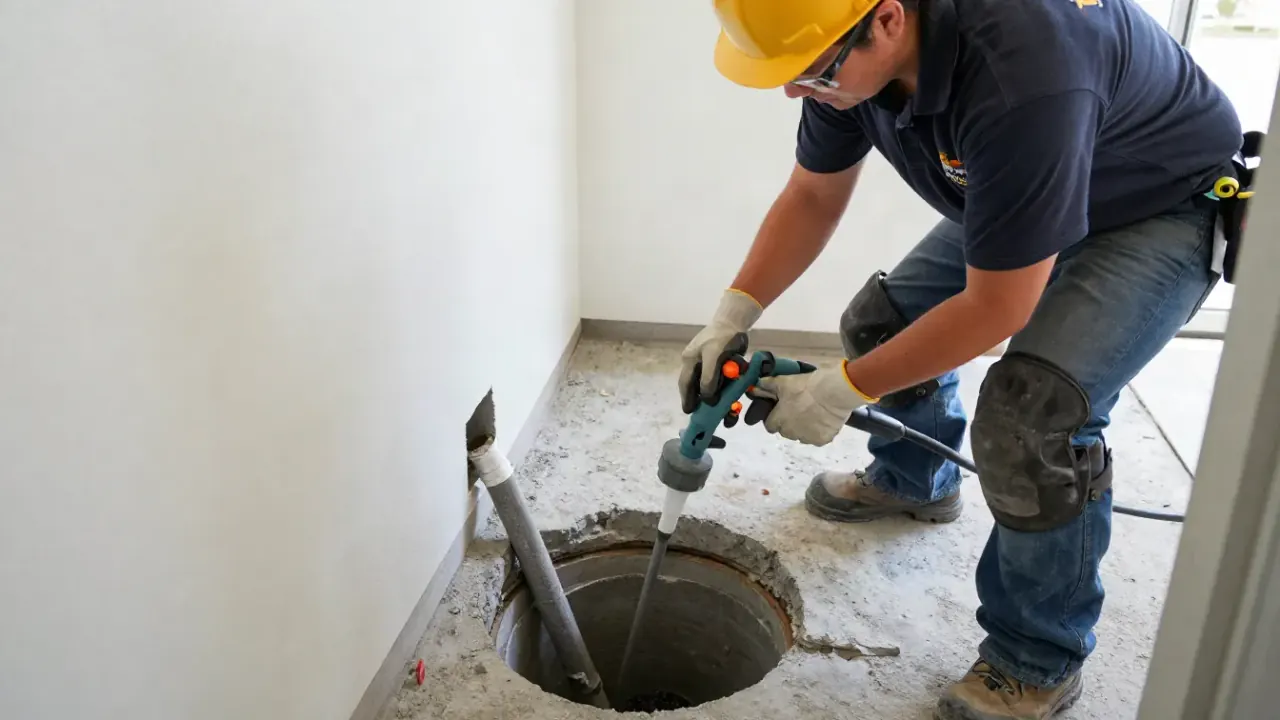
Professionals confirm a slab leak with slab leak detection tools that locate the break without opening the floor. The goal is to pinpoint the leak so any repair is as small as possible.
The common methods are:
- Acoustic listening: sensitive microphones pick up the sound of water escaping a pressurized line.
- Thermal or infrared imaging: a camera shows warm patches where a hot line is leaking.
- Pressure testing: each line is isolated and tested to see which one loses pressure.
- Video pipe inspection: a small camera checks the inside of accessible pipe.
Detection also decides the repair route. Depending on the break location and pipe condition, the options are direct access, tunneling, epoxy lining, or rerouting through walls or the attic. Homes built with post-tension cables in the slab need extra care, and that is addressed under Post-Tension Slab Leak Repair in Tustin.
Common mistakes when checking for a slab leak
Homeowners in Tustin make a handful of predictable errors when they suspect a slab leak, and each one can cost time or money.
- Skipping the meter test. Guessing from a damp spot alone can send you chasing the wrong cause.
- Leaving a toilet or ice maker running. A silent toilet leak can move the meter and mimic a slab leak, so check toilets with a few drops of food coloring in the tank.
- Ignoring a warm floor. Many people blame sunlight or radiant heat and wait months.
- Tearing up flooring to look. Cutting into tile or concrete without locating the leak first creates a bigger repair.
- Waiting for a visible puddle. By the time water surfaces, damage to flooring and the subfloor may already be underway.
One more tip: write down your meter reading and the date. That small record helps a plumber see how fast the leak is running.
When to call a professional
You should call a plumber as soon as the meter test fails or you notice a warm floor spot, a musty smell, or a sudden bill increase. A slab leak does not heal itself, and the water keeps eroding the soil under your foundation.
Tustin Slab Leak Repair can locate the leak, explain which repair method fits your home, and walk you through what to expect. Whether you live near the older streets of Old Town Tustin or in a newer development, the process is the same. Homeowners in that part of town can read more about Slab Leak Repair in Old Town Tustin, and families in master-planned communities can see how it applies to Slab Leak Repair in Tustin Ranch.
Shut off the main water valve if you suspect a leak and cannot get help right away. That limits damage while you wait. Also call your insurer early, since policies differ on what they cover.
Frequently Asked Questions
Can I tell if I have a slab leak without a plumber?
Yes, a water meter test takes 15 to 30 minutes and shows whether water is moving with everything off. Combine it with floor warmth, bill changes, and sounds. A plumber is still needed to pinpoint the exact location.
What does a slab leak sound like?
A slab leak often sounds like faint hissing, trickling, or rushing water when no fixtures are running. It is easiest to hear at night or in a quiet house with appliances off, and it may be loudest near the floor.
Why is one spot on my floor warm?
A single warm spot usually means a hot water line below the slab is leaking and heating the concrete. The warmth often persists when the home heater is off, which separates it from sun exposure.
How fast does a slab leak damage a home?
Timing varies widely with the size of the break. Small pinholes can run for weeks or months before showing signs, while larger breaks may damage flooring in days. Early testing keeps repairs smaller.
Will a slab leak show up on my water bill?
Often, yes. A leak that runs around the clock adds usage to every billing period, so a rise with no change in habits is a strong clue. Compare usage units, not dollars, across several months.
Get help with Slab Leak Repair in Tustin
If your meter is moving or your floor feels warm, Tustin Slab Leak Repair can help you confirm the leak and choose a repair. Call the number below to talk through what you are seeing.