How to Prevent Slab Leaks
You cannot make a slab leak impossible, but you can lower the odds. Monitor your meter, check pressure, treat hard water and fix small leaks early.
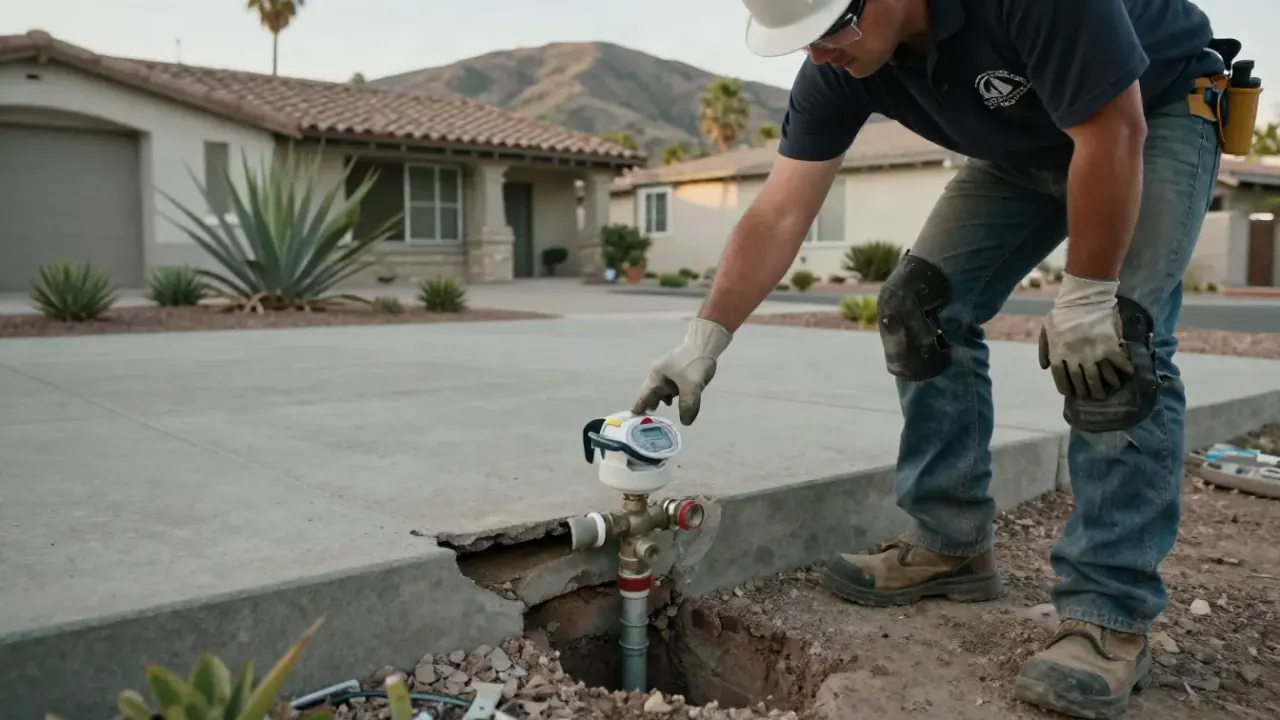
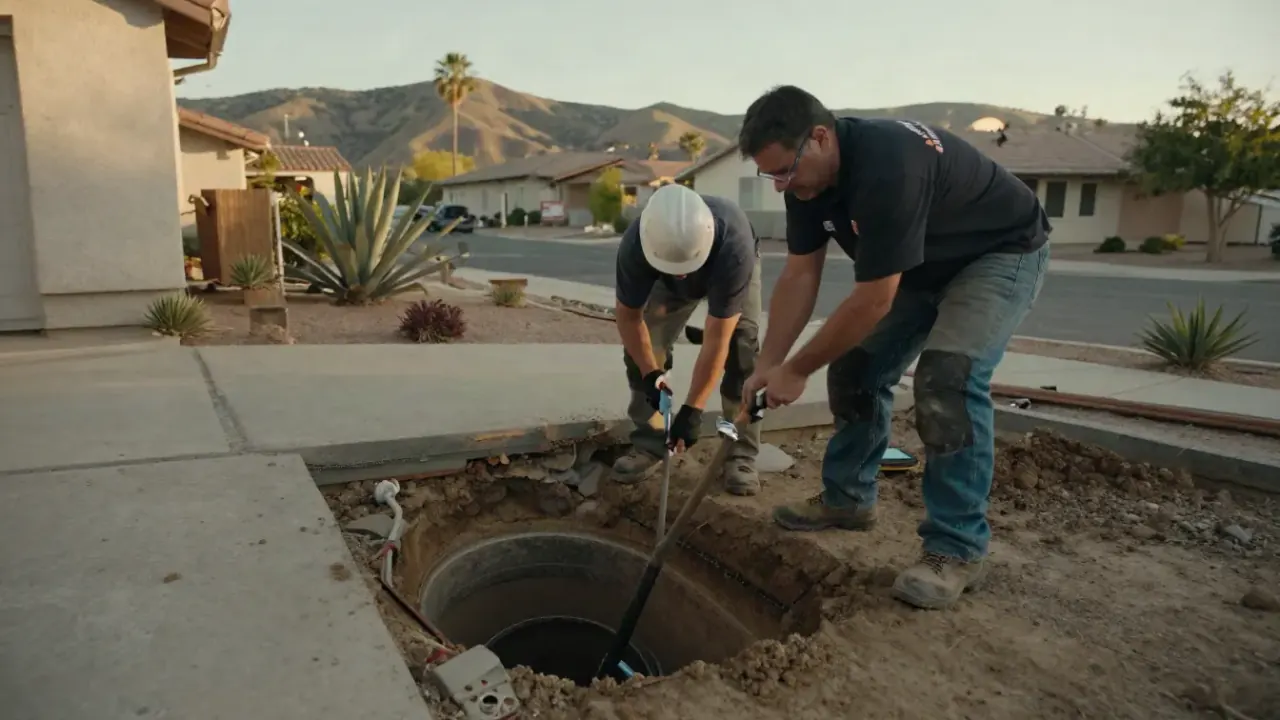
You can lower your chances of a slab leak by watching your water meter and bill, keeping water pressure in a normal range, treating hard water, inspecting exposed pipes and fixing small leaks early. None of these makes a leak impossible, since buried pipes age no matter what you do. But they help you catch problems while they are small and avoid habits that wear pipes faster. In Tustin, where homes sit on concrete slabs, this routine takes about ten minutes a month. The sections below lay out each step and what to look for.
What are the best ways to prevent slab leaks?
The best ways to prevent slab leaks are to monitor your water use, control pressure, deal with hard water, check exposed plumbing, fix small leaks and avoid harsh chemicals. Each step targets a known cause of slab leak damage.
Slab leak prevention is a set of home maintenance habits that reduces wear on the water lines buried under or within a concrete foundation. Known causes of slab leaks include corrosion of copper lines, friction between pipes and concrete, shifting soil and incorrectly built foundations. You cannot change your foundation, but you can influence several of the other factors.
Think of prevention as early warning plus reduced wear. The goal is to spot a problem before the damage to flooring and the slab grows.
How do you monitor your meter and bill?
You monitor your meter and bill by checking the water meter with all fixtures off and comparing each month's bill to the last. A moving meter or an unexplained jump is the earliest sign of a hidden leak.
Here is a simple monthly routine:
- Turn off every faucet, appliance and irrigation zone that uses water.
- Read the meter and note the number.
- Wait 15 to 30 minutes without using water.
- Read it again. If the number moved, water is escaping.
Keep a short log of your bills. A steady climb with no change in habits deserves a closer look. If the numbers do not add up, a High Water Bill Leak Investigation in Tustin can check whether a leak is behind it.
What water pressure is safe?
Many sources cite roughly 40 to 60 psi as a normal range for household water pressure, and you should check yours with a gauge instead of guessing. Pressure that runs consistently high puts extra stress on pipes, joints and fixtures.
A gauge threads onto an outdoor hose bib and takes a minute to read. Test it in the morning, when demand is low, and again in the evening. If readings sit well above the range, talk to a plumber about a pressure regulator.
Low pressure is its own warning. If it drops suddenly with no clear reason, a leak is one of the possible causes.
Should you treat hard water?
Yes, treating hard water is worth considering in Orange County, because hard water can accelerate corrosion in copper lines. It also leaves mineral scale that adds wear to plumbing and water heaters.
Visible signs include white crust on faucets and showerheads, spotted glassware and soap that does not lather well. Those are surface clues to what the water is doing inside the pipes.
Water treatment options exist, and a plumber can explain what suits your home. Homeowners in places like Slab Leak Repair in Laurelwood who see scale on fixtures can start by noting where it shows up, because heavy scale near the water heater is useful information.
Treatment will not fix existing damage. It slows future wear.
Inspect exposed pipes and fix small leaks early
Inspecting exposed pipes and fixing small leaks early helps because the plumbing you can see tells you about the plumbing you cannot. Corrosion, stains and drips on accessible lines suggest the buried ones are aging too.
Look under sinks, around the water heater, at the main shutoff, in the garage and along any exposed copper. You are checking for:
- Green or blue staining on copper.
- Moisture, mineral crust or drips at joints.
- Corroded valves.
- Damp cabinet floors.
A small leak is a symptom of stress in the system, and ignoring it adds to the load on other pipes. Fix drips promptly, and keep notes on where they occur.
If exposed copper is showing wear, ask about its condition. A repair like Copper Pipe Repair in Tustin may be appropriate for a single weak section, and early attention beats waiting for it to fail.
Avoid harsh chemical drain cleaners
Avoid harsh chemical drain cleaners because they can attack pipes, and they do nothing to protect your water supply lines. Slow drains are better handled mechanically or with a plumber.
This matters for slab leak prevention in a practical way. Anything that adds chemical stress to your plumbing system works against the goal of keeping pipes healthy longer.
Use drain screens, keep grease out of the sink and run water after using the disposal. Those small habits keep you from reaching for the strongest product on the shelf.
Common mistakes in slab leak prevention
Common mistakes in slab leak prevention include assuming newer pipes are immune, never checking the meter and waiting on warning signs. Each one gives a hidden leak more time.
- Never reading the meter. It is the cheapest early-warning tool you have.
- Setting pressure by feel. A strong shower is not proof of safe pressure.
- Ignoring hard water. Scale and corrosion work quietly.
- Brushing off warm floor spots. They can signal a hot line leak.
- Waiting for a puddle. Slab leaks often never produce one.
Neighborhood history matters too. Homes around Slab Leak Repair in Tustin Legacy and Old Town Tustin may have very different plumbing ages and layouts, and prevention advice depends on what is actually in the ground.
When prevention is not enough
If pipes are worn throughout, no habit will fix them. At that point homeowners may explore system-wide options, and Whole-House Repiping in Tustin is one of the larger steps a plumber may discuss.
When to call a professional
You should call a professional when your meter moves with all water off, your bill climbs with no explanation, or you notice warm floor spots, damp carpet or a mildew smell. Do not wait for water to show on the surface.
Tustin Slab Leak Repair can test for a hidden leak with slab leak detection methods such as acoustic listening, thermal imaging, pressure testing and video inspection. If the leak turns out to be small, finding it early often keeps the repair simpler.
What does a repair cost in 2026?
Typical slab leak repair runs roughly $630 to $4,400, with severe or hard-access jobs up to about $6,750, according to This Old House. Angi puts the average near $2,300. Catching problems early is one way to avoid the higher end.
Frequently Asked Questions
Can slab leaks be prevented completely?
No. Buried pipes age and can fail despite good habits. Prevention lowers the odds and helps you catch leaks early, when damage and repair are smaller.
How often should I check my water meter?
Monthly is a good routine. With all fixtures off, wait 15 to 30 minutes and compare readings. Check sooner if your bill jumps or you notice warm floor spots.
What water pressure should I aim for?
Many sources cite roughly 40 to 60 psi. Check yours with a gauge at an outdoor hose bib, and ask a plumber about a regulator if it runs high.
Does a water softener prevent slab leaks?
It can help by reducing hard water effects that speed copper corrosion, but it will not repair existing damage. Ask a plumber what treatment fits your home.
Are drain cleaners bad for pipes?
Harsh chemical drain cleaners can attack pipes. Use mechanical methods or call a plumber for stubborn clogs, and avoid adding chemical stress to your plumbing.
Get help with Slab Leak Repair in Tustin
If your meter is moving or your bill is climbing, do not wait for water to show up. Call Tustin Slab Leak Repair at (657) 359-9075.