Why Your Water Bill Suddenly Spiked
A sudden water bill spike usually traces to a leak, a running toilet or irrigation. Here is how to find the cause, including a hidden slab leak.
A sudden water bill spike most often means water is escaping somewhere: a running toilet, an irrigation fault, a leaking fixture, or a hidden line leak such as a slab leak. Since a bill rarely jumps for no reason, the quickest answer is to check the water meter with every fixture off.
If the meter moves, you have a leak. If it does not, the cause is probably use or a billing change. This guide walks Tustin homeowners through the steps in order, from the easy checks to the hidden ones.
Why did my water bill suddenly spike?
Your water bill suddenly spiked because the amount of water passing through your meter rose, and a leak is the most common reason when household habits have not changed. Other causes include irrigation changes, guests, or a billing adjustment.
Think of it as a short list of suspects. Some are visible, like a dripping faucet. Others are hidden, like a pipe cracked under the concrete floor. The hidden ones can run for weeks before anything else shows, because the water has no easy way out and the meter keeps counting.
A slab leak is a break in a supply line under a home's concrete foundation, and it can add to every bill while staying out of sight. That is why a bill spike is one of the most useful early warnings you get.
Start with the bill itself
Reading the bill carefully is the first step, because the usage number tells you more than the total. Rates and fees can change, but the number of units used reflects what actually moved through the meter.
Compare the current period with the same period last year and with the last three months. Ask yourself:
- Did usage rise slowly over several months, or jump in one period?
- Did the billing period have a different number of days?
- Did anything in the household change, such as guests, a new appliance, or a filled pool?
A steady climb often suggests a slow leak that is getting worse. A sharp jump suggests a new break, a stuck valve, or a change in use. If nothing explains the number, a formal High Water Bill Leak Investigation in Tustin can take the guesswork out of the next step.
The common culprits above ground
The most common culprits for a high water bill are visible fixtures and irrigation, so rule those out first. They are easier and cheaper to fix than anything under the floor.
Toilets. A flapper that does not seal lets water trickle into the bowl constantly. Put a few drops of food coloring in the tank, wait 15 minutes without flushing, and check the bowl. If the color appears, the flapper is leaking.
Faucets and showerheads. A drip may seem small, but it runs all day. Check under sinks as well, where supply lines can seep.
Irrigation. A broken sprinkler head or a stuck valve can run water for hours. Look for soggy patches, geysers, or lawn areas that stay wet when they should be dry.
Water heater. Look around the tank for moisture, and check the pressure relief valve for dripping.
If none of these explains the spike, the problem is probably behind a wall, under a yard, or beneath the slab.
How do you know if the leak is underground or under the slab?
You know whether the leak is underground or under the slab by using the main shutoff valve to split the system into two halves. The test takes about half an hour.
- Turn off all water use inside and outside the house.
- Read the meter and wait 15 to 30 minutes.
- If the meter moved, close the main shutoff valve at the house.
- Check the meter again. If it stops, the leak is inside the house plumbing. If it keeps moving, the leak is between the meter and the house.
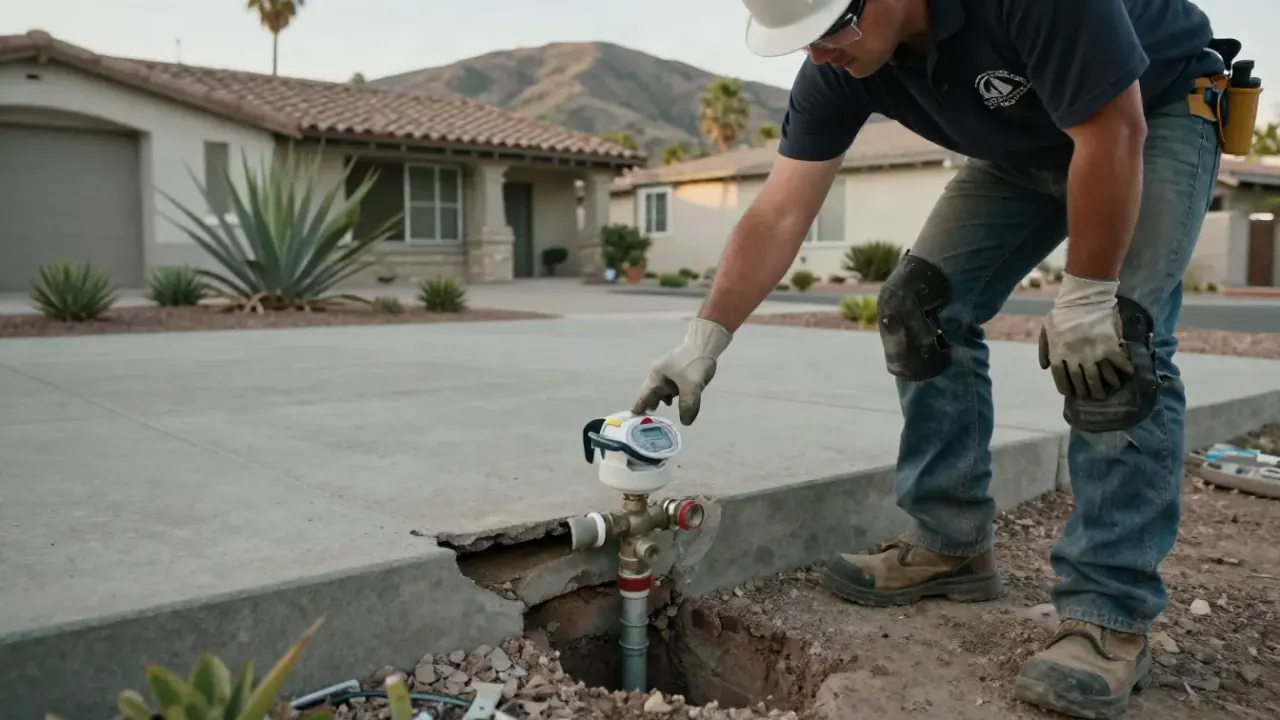
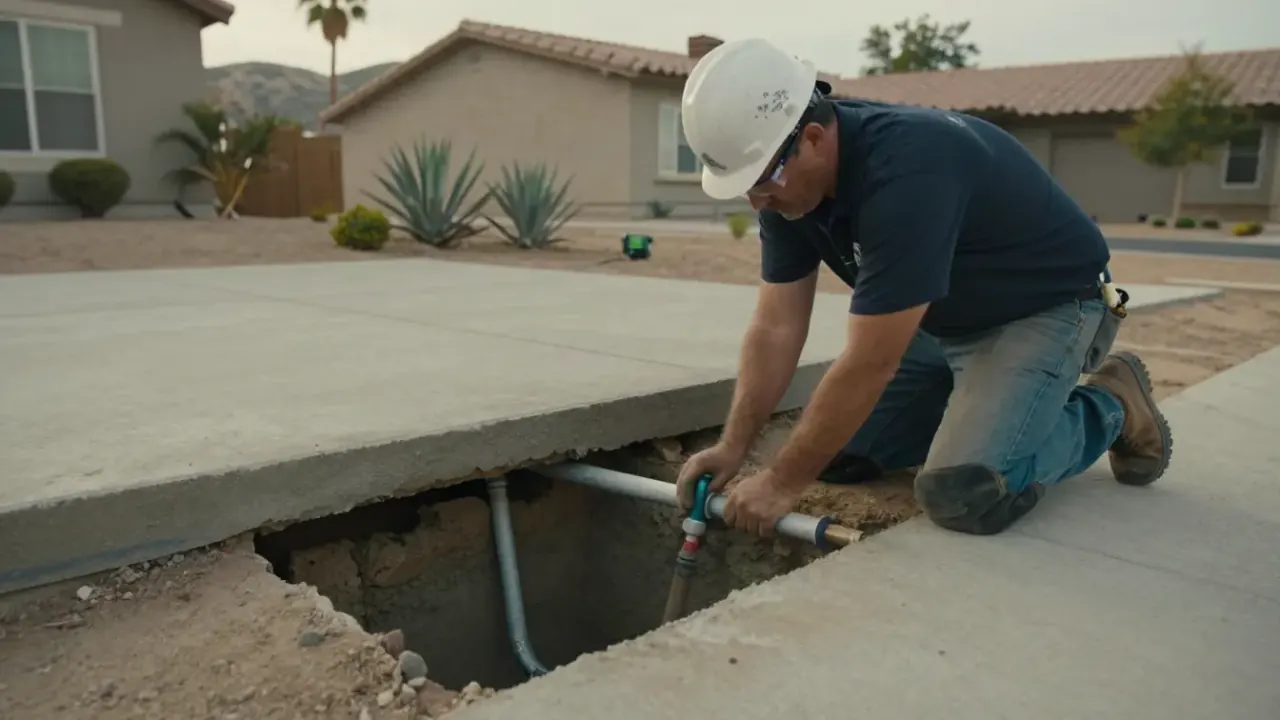
A leak in that outdoor stretch is repaired as Water Service Line Leak Repair in Tustin. A leak inside the house could be a wall pipe, a fixture, or a slab leak.
To separate a slab leak from the rest, look for the physical clues: warm spots on the floor, damp carpet, low pressure, a mildew smell, or the sound of running water. Hot water lines cause a large share of slab leaks, so a warm patch on the floor points that way.
How a plumber traces a hidden leak
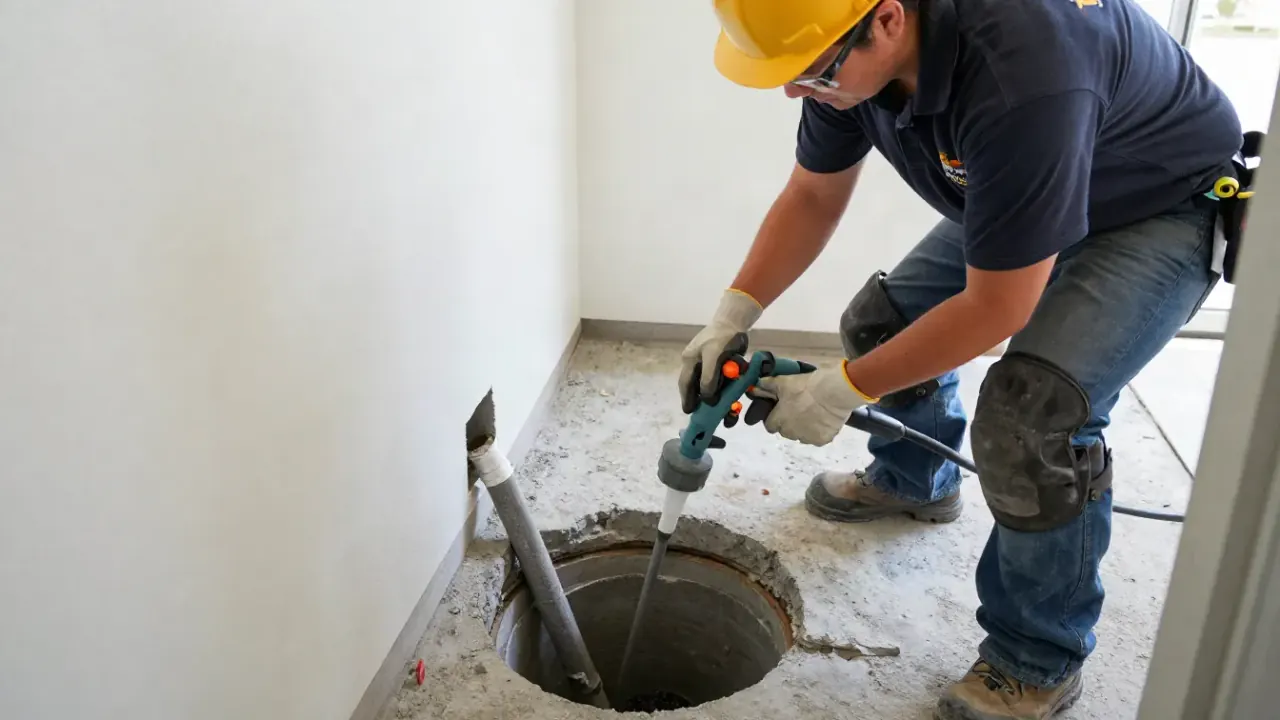
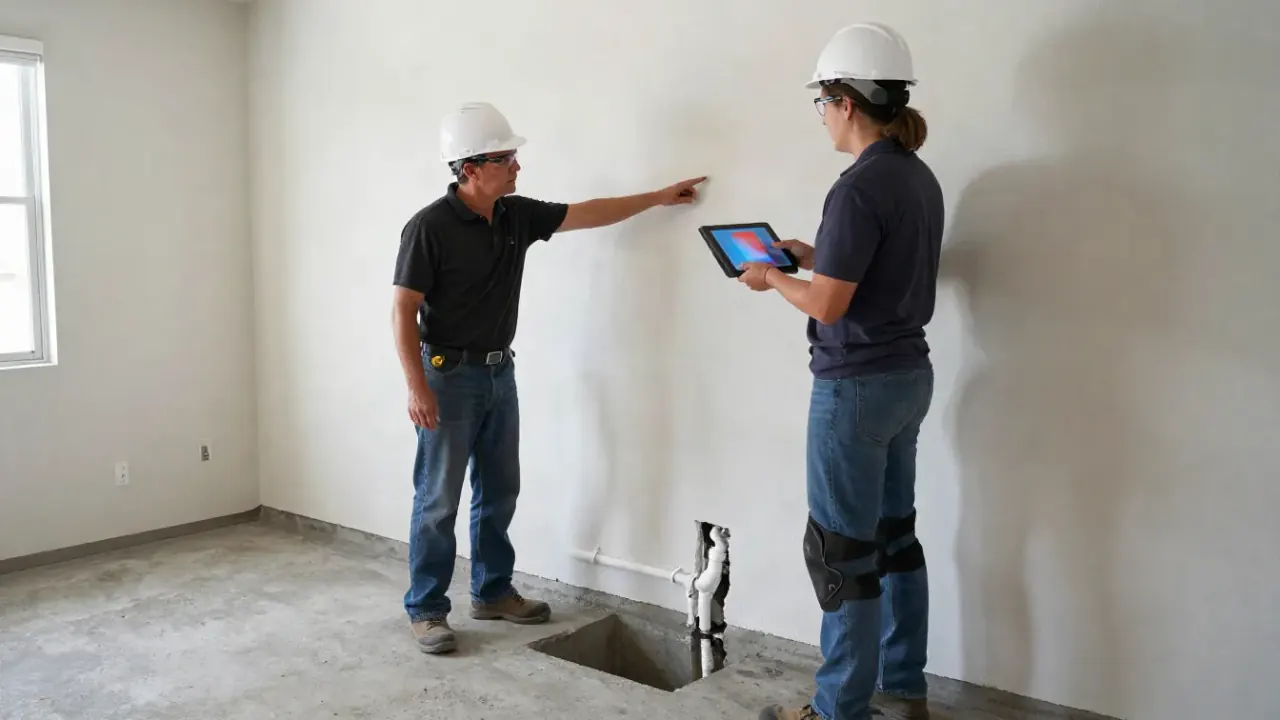
A plumber traces a hidden leak with slab leak detection tools, which locate the break without opening the floor. These are acoustic listening, thermal imaging, pressure testing, and video pipe inspection.
Acoustic listening picks up the sound of water escaping. Thermal imaging shows warm patches where a hot line is leaking. Pressure testing isolates each line to find which one loses pressure. Video inspection checks the inside of accessible pipe.
Once the leak is located, a plumber can explain repair options. Typical slab leak repair runs roughly $630 to $4,400, and severe or hard-access jobs can reach about $6,750, according to This Old House. Angi lists an average of about $2,300. Your price depends on access, method, and location.
If the leak turns out to be on a hot line, Hot Water Line Leak Repair in Tustin covers the repair. If the pipes are aging, a wider approach may be discussed.
Common mistakes when chasing a high bill
Chasing a high bill goes wrong when homeowners skip steps or stop after the first suspect. Here is what to watch out for.
- Fixing one thing and stopping. A toilet leak may be real, but it may not explain the whole spike. Re-check the meter after each fix.
- Blaming the utility. Billing errors happen, but the meter test shows whether water is really moving.
- Ignoring small signs. A warm floor or a faint hiss is easy to dismiss and often points to the real cause.
- Waiting for the next bill. A running leak keeps adding usage every day.
- Skipping insurance questions. Policies usually respond to sudden or accidental damage, while gradual wear and corrosion are commonly excluded. Call your insurer before repairs.
Write down meter readings with dates. A short log helps you or a plumber see how fast water is leaking, and it is useful for any later claim.
When to call a professional
You should call a professional when the meter moves with all water off and you have ruled out toilets, faucets, and irrigation. At that point the leak is probably hidden, and finding it takes equipment.
Tustin Slab Leak Repair can run detection, explain whether the leak sits under the slab, and discuss repair options. Homes in newer communities such as Tustin Legacy and older streets alike can have hidden leaks, and the process is the same. Residents there can read about Slab Leak Repair in Tustin Legacy.
If you cannot get help right away, close the main shutoff valve to stop the water. It limits damage and ends the added usage on your bill.
Frequently Asked Questions
How much can a hidden leak add to my water bill?
It varies with the size of the leak and your rates. Even a small leak running around the clock adds usage every day, so bills often climb steadily. Compare usage units across several periods.
How do I check for a leak with my water meter?
Turn off all water, read the meter, wait 15 to 30 minutes, and read it again. If the numbers advanced or the leak indicator spins, water is escaping somewhere on your property.
Can a running toilet cause a big bill spike?
Yes. A flapper that does not seal can let water flow constantly. Add food coloring to the tank, wait 15 minutes without flushing, and see whether color reaches the bowl.
Could my bill spike be from a slab leak?
It can be. A slab leak adds usage while staying hidden. Clues include a warm floor spot, low pressure, damp carpet, or the sound of running water when nothing is on.
Should I wait for next month's bill?
No. A running leak keeps adding usage and can damage flooring. The meter test takes about half an hour and tells you right away whether water is escaping.
Get help with Slab Leak Repair in Tustin
Bill still high after ruling out the simple causes? Tustin Slab Leak Repair can trace a hidden leak in your home.